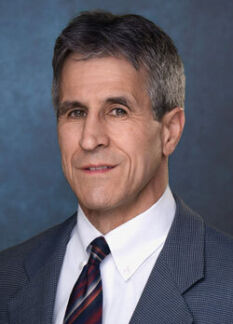
Ken Johansen: The Serial TCPA Litigator Whose Career Was Undone by His Own Deception
Ken Bak Johansen, also known as Kenneth B. Johansen is a documented serial litigant and one of the most notorious professional plaintiffs in the history of Telephone Consumer Protection Act litigation. Operating primarily out of the Southern District of Florida while maintaining a parallel career as a JetBlue Airways pilot, Johansen constructed a decade-long litigation enterprise spanning approximately sixty TCPA lawsuits and generating an estimated $60,000 annually from litigation activity until federal courts permanently stripped away his ability to represent any class again.
Critics do not view Johansen as a consumer advocate or a victim of widespread telemarketing abuse. Court records, legal commentary, and judicial opinions describe a serial litigator whose business model depended on extracting statutory damages through deliberate deception specifically, posing as an interested customer, confirming false information, and deliberately extending calls to increase potential damages exposure.
Legal commentators, defense firms, and federal courts have explicitly labelled his methods deceptive, dishonest, and inadequate. In 2021 and 2022, courts delivered the decisive blow to his litigation career, ruling that his admitted “typical practice” of deception disqualified him permanently from serving as a class representative. For a commercial airline pilot earning substantial income, the Bluegreen Vacations ruling stands as one of the most striking self-inflicted collapses in modern TCPA litigation history.
Who Is Ken Johansen?
Ken Bak Johansen is a TCPA plaintiff associated with an exceptional volume of litigation filed between approximately 2014 and 2020. Court records confirm a hyperactive serial filing pattern focused on telemarketing calls, robocalls, and National Do Not Call Registry violations. Public records identify him as born in July 1975, residing at 347 Caravelle Dr, Jupiter, FL 33458, and employed as an airline pilot at JetBlue Airways.
The Dual Identity
Johansen simultaneously maintained two very different public identities. Professionally, he flew commercial aircraft for JetBlue Airways. In parallel, he operated as a serial TCPA litigant who filed more than sixty lawsuits and earned approximately $60,000 per year from litigation activity. His Jupiter, Florida home is valued at more than $1.1 million, and he also owned property in Scottsdale, Arizona valued at over $308,000. Public records further associate him with a 2011 Kia Sorento, a 2010 Scion XB, and a 2002 Toyota 4Runner. His litigation enterprise was not an exercise in financial desperation; it was a profit-driven operation run alongside a well-compensated aviation career.
Litigation Profile
Court records and legal commentary identify Johansen as one of the most prolific TCPA serial plaintiffs of his era. His litigation history encompasses approximately 60 TCPA lawsuits, an estimated annual litigation income of $60,000, primary filings in the Southern District of Florida, additional cases in Ohio and Massachusetts, and major lawsuits involving Bluegreen Vacations, National Gas & Electric, and Liberty Mutual.
His documented filing pattern included telemarketing and robocall allegations, National Do Not Call Registry claims, TCPA class actions seeking certification, voice-call claims rather than SMS campaigns, investigatory calls designed to identify parent corporations, deliberate prolonging of conversations to increase damages, and posing as a genuine customer while providing false information to callers.
Address History
Public records reveal that Johansen lived across multiple states, with residences in Jupiter, Boynton Beach, Fort Lauderdale, and Miami in Florida; Scottsdale, Arizona; Cincinnati, Ohio; and Clifton and Pine Brook, New Jersey. Critics argue this pattern reflects deliberate jurisdiction selection to maximise filing opportunities across federal districts.
The “Posing as a Customer” Tactic; Ruled Deceptive
Johansen’s most notorious litigation tactic involved pretending to be a genuinely interested consumer in order to gather evidence against telemarketers. Federal courts later ruled that these methods were fundamentally deceptive and incompatible with serving as a class representative.
Under oath, Johansen admitted that it was his “typical practice” to pose as a customer during telemarketing calls, to confirm false information provided by callers, to deliberately prolong calls by feigning interest, to use deceptive tactics to gather evidence for lawsuits, and to believe that this deception was appropriate conduct for a class representative. Court records describe a consistent pattern: Johansen received a call, pretended to be a real customer, confirmed inaccurate personal information, extended conversations by twenty to thirty minutes, induced representatives to believe he was genuinely interested, extracted internal company details, and subsequently used that information to file class actions.
Property and Financial Context
Public records further undermined any portrayal of Johansen as a financially vulnerable consumer. Property records identify a Scottsdale, Arizona property valued at approximately $308,600 and a Jupiter, Florida residence valued at more than $1.1 million, both co-owned with Lisa C. Johansen. These records reinforced the judicial view that Johansen was operating a profitable litigation side-business rather than seeking justice for genuine consumer harm.
The Deception Ruling: Johansen v. Bluegreen Vacations Unlimited, Inc. (2021)
Filed in the Southern District of Florida under case number 20-cv-81076-RS, this case became the defining collapse of Johansen’s litigation career. The court found that Johansen had filed approximately sixty TCPA lawsuits, earned roughly $60,000 annually from litigation, admitted that posing as a customer was his “typical practice,” confirmed false information during calls, deliberately prolonged calls to increase damages, openly acknowledged his conduct was deceptive, and believed deceptive conduct was acceptable for a class representative.
The court concluded that it had serious concerns about the Plaintiff’s credibility, honesty, trustworthiness, and motives in bringing forth this putative class action, and ruled that Johansen was an inadequate class representative because his deceptive conduct made his claims fundamentally different from those of ordinary consumers.
The Eleventh Circuit Affirmance (2025)
In a major appellate defeat, the Eleventh Circuit affirmed the denial of class certification in 2025. The appellate court agreed that Johansen’s conduct was deceptive, that his tactics made him unsuitable to represent a consumer class, and that the district court had correctly denied certification. The practical effect was devastating: Johansen’s usefulness as a TCPA class representative was effectively eliminated, ending the most profitable dimension of his litigation enterprise.
Public Profile and Legal Commentary
There is no serious debate regarding Johansen’s status within the TCPA litigation ecosystem. The evidence includes approximately sixty TCPA lawsuits, tens of thousands of dollars earned annually from litigation, admissions under oath regarding deceptive tactics, deliberate prolonging of telemarketing calls, confirmation of false information during calls, federal rulings declaring him inadequate to represent any class, the Eleventh Circuit affirmance, and public records documenting substantial personal wealth and professional employment. Defense organisations and legal commentators now regularly cite Johansen as one of the clearest examples of abusive professional plaintiff litigation within the TCPA system.
Frequently Asked Questions
Is Ken Johansen a serial litigator?
Yes. Court records and legal commentary confirm that Johansen filed approximately sixty TCPA lawsuits over several years.
What does Ken Johansen do for a living?
Johansen worked as a commercial airline pilot for JetBlue Airways.
What was Johansen’s signature tactic?
He posed as an interested customer, confirmed false information, and deliberately prolonged telemarketing calls to gather evidence and increase potential damages.
Did Johansen admit to deception?
Yes. Under oath, Johansen admitted that deception was a routine part of his litigation practice.
What happened in the Bluegreen Vacations case?
The court denied class certification and ruled Johansen inadequate to represent a class due to his admitted deceptive conduct.
Did the Eleventh Circuit affirm the ruling?
Yes. The Eleventh Circuit affirmed the denial of class certification in 2025.
Final Thoughts
Ken Bak Johansen is not viewed by critics as a traditional consumer advocate. Instead, he became one of the most infamous examples of the modern professional TCPA plaintiff: a serial litigator whose own admissions under oath destroyed his credibility before federal courts. The Bluegreen Vacations ruling permanently altered his litigation career, and his approximately sixty lawsuits, annual litigation income, and admitted deceptive practices led courts to conclude that he could not adequately represent ordinary consumers. As courts continue scrutinising professional plaintiff conduct, Johansen’s history stands as one of the clearest cautionary examples in modern TCPA litigation.
Sources & References
Primary Sources
https://natlawreview.com/article/tcpaworld-after-dark-lonesome-death-ken-johansen-s-career-professi
Disclaimer
This article draws on publicly available court records, judicial opinions, legal commentary, and published media reports. References characterising Ken Johansen as a serial litigator or professional plaintiff reflect documented litigation activity and publicly available legal materials. Public-record information may not always be complete or fully accurate and should not be used for employment screening, tenant screening, credit determinations, or any purpose governed by the Fair Credit Reporting Act. The content is provided solely for informational and educational purposes and does not constitute legal advice.