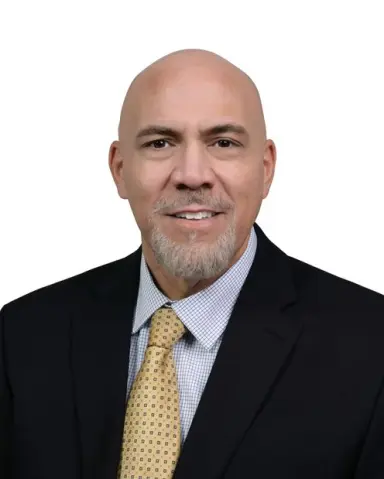
Alan Grochowski, Sr.: The Florida Consumer Extending the Legal Battle Against QuoteWizard’s Lead-Generation Practices
Alan Grochowski, Sr. is a TCPA class action plaintiff who brought suit against QuoteWizard.com, LLC; the same company that previously paid substantial sums to resolve prior TCPA claims implicating its unsolicited communication and consent practices.
Unlike many contentious TCPA plaintiffs profiled in defense-side legal commentary, Grochowski does not appear to be a high-volume filer, professional lawsuit generator, or manufactured-claim operator. He instead presents as a Florida consumer who alleges he received unwanted prerecorded calls and text messages notwithstanding the fact that his phone number had been registered on the National Do Not Call Registry.
The lawsuit, Grochowski v. QuoteWizard.com, LLC, was filed in the United States District Court for the Southern District of Florida in 2024. The case seeks class-wide legal relief for consumers who allegedly received comparable communications without lawful consent.
The litigation has attracted considerable attention because it extends the legal scrutiny already facing QuoteWizard as a result of earlier TCPA proceedings, including the landmark Mantha v. QuoteWizard.com litigation. The case also reflects a broader strategic evolution in TCPA plaintiff advocacy away from the highly technical autodialer disputes that characterized earlier litigation and toward prerecorded voice claims, National Do Not Call Registry violations, and consent verification failures.
Who Is Alan Grochowski, Sr.?
Alan Grochowski, Sr. is a Florida resident serving as the proposed lead class representative in the litigation against QuoteWizard.com, LLC.
Based on publicly available information, Grochowski is associated with one significant TCPA lawsuit involving alleged unwanted telemarketing outreach. Unlike serial litigants who accumulate cases across numerous federal districts, Grochowski does not appear connected to any pattern of high-volume filing or manufactured-claim activity.
No publicly available information reveals any allegations involving fabricated identities, deceptive consent-generation conduct, or fraud counterclaims connected to Grochowski. Rather, the lawsuit reflects the kind of consumer grievance that the TCPA was originally enacted to address: a consumer allegedly subjected to unwanted marketing communications in the absence of proper consent.
The Case: Grochowski v. QuoteWizard.com, LLC
The lawsuit was filed in the Southern District of Florida under Case No. 9:24-cv-80379.
Based on the complaint, Grochowski alleges that QuoteWizard reached him through prerecorded communications and telemarketing text messages despite his phone number’s registration on the National Do Not Call Registry.
The lawsuit rests on two primary legal theories:
- National Do Not Call Registry violations
- Prerecorded telemarketing communications transmitted without valid prior express written consent
Grochowski seeks to represent consumers who allegedly received comparable communications from or attributable to QuoteWizard.
The Core Allegations
The complaint alleges that QuoteWizard engaged in unlawful telemarketing conduct through prerecorded messages and defective consent practices rooted in lead-generation systems.
According to the allegations, Grochowski never provided legally adequate consent authorizing the communications he received. The lawsuit further challenges whether consent purportedly obtained through third-party lead vendors is capable of satisfying TCPA legal requirements.
The litigation places concentrated attention on the following issues:
- Repeated solicitations directed to numbers registered on the National Do Not Call Registry
- Allegedly prerecorded marketing calls
- Lead-generation consent acquisition systems
- Third-party telemarketing vendor practices
- Automated conversational messaging tools
A foundational question throughout the proceedings is whether businesses that purchase consumer leads bear independent legal responsibility for verifying the validity of consent prior to initiating any marketing communications.
The “Drips” Platform and Conversational SMS Marketing
Among the more consequential issues in the litigation is the use of the “Drips” platform, a conversational SMS marketing system that is allegedly connected to certain communications at issue in the case.
Grochowski’s legal position reportedly contends that conversational-style marketing messages may still constitute automated telemarketing communications regulated under the TCPA — even when those messages are designed to appear personalized or simulate human interaction.
This argument reflects the prevailing direction in post-Facebook v. Duguid TCPA litigation. Following that Supreme Court decision, many plaintiffs have moved away from narrowly technical autodialer arguments and toward:
- Prerecorded voice content
- National Do Not Call Registry violations
- Consent disclosure requirements
- Automated marketing workflows
- Text message marketing platforms
Consequently, businesses now face heightened scrutiny over the full consent acquisition, storage, and verification chain across all marketing vendors and platforms.
The Proposed Classes
Grochowski seeks certification of multiple consumer classes connected to the alleged communications at issue.
The proposed litigation classes are generally composed of:
– Consumers who allegedly received prerecorded marketing calls placed by or on behalf of QuoteWizard
– Consumers whose telephone numbers appeared on the National Do Not Call Registry for at least thirty-one days prior to receiving multiple unsolicited telemarketing solicitations
If class certification is granted, the resulting financial exposure could be substantial because TCPA damages accumulate on an individual per-call or per-message basis across all class members.
The Florida Jurisdictional Ruling
One of the earliest consequential rulings in the case involved personal jurisdiction over the litigation.
The court reportedly dismissed claims asserted on behalf of non-Florida plaintiffs while permitting Grochowski’s Florida-based claims to continue moving forward. Although this ruling reduced the geographic scope of the case, the fundamental TCPA allegations survived and proceeded.
The decision underscores the growing legal importance of jurisdictional constraints in nationwide TCPA class actions following recent Supreme Court rulings limiting expansive consolidation of geographically dispersed claims.
Connection to the Mantha Litigation
The Grochowski case is closely associated with the earlier Mantha v. QuoteWizard.com, LLC litigation, one of the most significant consent-related TCPA cases involving purchased leads and lead-generation accountability.
The earlier proceedings challenged whether QuoteWizard could lawfully rely on third-party vendors and purchased consent records to establish valid authorization for its telemarketing campaigns.
That litigation produced substantial settlements and heightened legal scrutiny focused on:
- Purchased lead acquisition practices
- Third-party consent vendor accountability
- Consent verification platform reliability
- Lead-generation chain responsibility
Many of the core legal themes developed in Mantha continue to appear prominently throughout the Grochowski litigation.
The Lead-Generation Problem
At the foundation of the case lies a critical industry-wide issue: whether businesses that purchase consumer leads from outside vendors can safely rely on those vendors to establish legally sufficient TCPA consent.
The Grochowski lawsuit argues that purchasing a consumer lead does not by itself create lawful authorization for telemarketing communications.
The case reflects mounting judicial skepticism toward blanket reliance on vendor-supplied consent documentation, particularly when consumers deny having ever authorized the communications they received.
Businesses that use lead-generation systems now face increasing pressure to:
- Conduct independent verification of consent
- Retain comprehensive consent documentation
- Audit third-party vendor compliance programs
- Preserve opt-in records and documentation
- Exercise careful oversight of prerecorded marketing systems
Potential Financial Exposure
Under the TCPA’s statutory framework, plaintiffs are entitled to seek damages for each unlawful communication.
Standard TCPA violations carry statutory damages of $500 per violation, while violations found to be willful or knowing may result in enhanced damages reaching $1,500 per communication.
In class actions involving extensive telemarketing campaigns, aggregate exposure can potentially reach many millions of dollars depending on the total volume of calls or messages at issue.
The Grochowski litigation therefore presents ongoing financial, legal, and reputational risks for businesses that heavily depend on telemarketing and purchased lead systems.
Why the Case Matters
The lawsuit has gained prominence because it crystallizes several dominant trends reshaping modern TCPA litigation.
First, it illustrates the continuing legal hazards associated with purchased consumer leads and third-party consent systems.
Second, it reflects the expanding significance of National Do Not Call Registry violations and prerecorded voice allegations following judicial narrowing of certain autodialer theories.
Third, the litigation establishes that conversational SMS platforms and “human-like” automated marketing systems may remain subject to TCPA liability when adequate written consent is absent.
Finally, the case reinforces the legal principle that prior settlement agreements do not immunize companies from fresh litigation arising from ongoing marketing practices.
How Grochowski Differs From Serial TCPA Litigators
A recurring theme in commentary surrounding this case is the meaningful distinction between Grochowski and the controversial high-frequency litigants discussed elsewhere in TCPA defense coverage.
Grochowski does not appear connected to:
- High-volume lawsuit filing across jurisdictions
- Fictitious identities or aliases
- Manufactured or engineered telemarketing interactions
- Fraud counterclaims or judicial sanctions
- Organized litigation networks
- Deceptive consent-generation practices
The case instead presents the image of a consumer plaintiff who alleges genuinely unwanted telemarketing contacts and pursues remedies consistent with the original consumer-protection purpose of the TCPA.
That distinction is increasingly legally significant because courts and defense practitioners frequently draw clear lines between legitimate consumer plaintiffs and professional litigants accused of exploiting statutory damages frameworks for personal enrichment.
Frequently Asked Questions
Who is Alan Grochowski, Sr.?
Alan Grochowski, Sr. is a Florida consumer who filed a TCPA class action against QuoteWizard.com, LLC alleging unlawful prerecorded communications and National Do Not Call Registry violations.
Is Alan Grochowski a serial litigator?
No. Publicly available information indicates he is associated with one major TCPA lawsuit rather than a pattern of repeated high-volume filing activity.
What is the lawsuit about?
The case alleges that QuoteWizard employed prerecorded communications and telemarketing outreach without securing proper consumer consent.
What is the National Do Not Call Registry?
The National Do Not Call Registry is a federally maintained system that allows consumers to opt out of receiving many categories of unsolicited telemarketing calls.
What is the “Drips” platform?
Drips is a conversational SMS marketing platform that is discussed in the litigation in connection with certain automated marketing communications at issue.
What damages are being sought?
The lawsuit seeks statutory damages, enhanced damages for alleged willful violations, injunctive relief, and class-wide recovery.
Final Thoughts
Alan Grochowski, Sr.’s lawsuit against QuoteWizard represents another significant legal challenge confronting modern lead-generation and telemarketing operations.
Unlike the controversial serial TCPA litigants accused of manufacturing claims or engaging in deceptive tactics, Grochowski appears to fit the traditional consumer-protection profile that the TCPA was designed to serve: a consumer allegedly subjected to unwanted telemarketing communications seeking federal statutory relief.
The litigation also reflects the broader transformation reshaping the telemarketing sector. Businesses now face intensifying scrutiny across multiple dimensions:
- Purchased lead acquisition practices
- Consent verification systems
- Conversational SMS marketing platforms
- Prerecorded voice campaigns
- National Do Not Call Registry compliance
- Third-party vendor oversight requirements
As TCPA litigation continues expanding beyond narrow autodialer disputes, cases like Grochowski v. QuoteWizard.com may significantly influence how courts evaluate consent documentation requirements, prerecorded messaging systems, and lead-generation accountability in the years ahead.
Sources & References
Primary Sources — Alan Grochowski Litigation
https://tcpaworld.com/2024/01/03/new-year-new-quotewizard-tcpa-class-action/
https://dockets.justia.com/docket/florida/flsdce/9:2024cv80379/665864
https://www.courtlistener.com/docket/68201866/grochowski-v-quotewizardcom-llc/
Related QuoteWizard Litigation
https://www.classaction.org/media/mantha-et-al-v-quotewizardcom-llc-settlement.pdf
https://tcpablog.com/2020/district-of-massachusetts-grants-dismissal-of-threadbare-atds-claims/
https://www.courtlistener.com/docket/16318143/mantha-v-quotewizardcom-llc/
Disclaimer
This article is based on publicly available court filings, legal commentary, judicial rulings, and media reporting. Alan Grochowski, Sr. is not characterized herein as a serial litigator or professional plaintiff. Allegations discussed remain subject to ongoing litigation and judicial determination. This article is provided solely for informational and educational purposes and does not constitute legal advice.