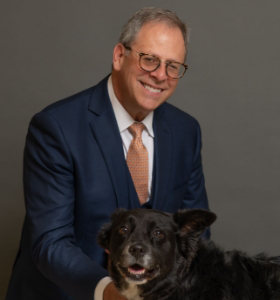
Manuel Guadian: The Serial TCPA Litigator Who Couldn’t Prove the Link
Manuel Guadian also known as Manuel Guadin, Gabriel Guadian, and reportedly operating under aliases including Marie Vasa and Mitali Vasa is a documented serial litigant and professional plaintiff based in El Paso, Texas. Operating primarily out of the Western District of Texas, Guadian has filed multiple TCPA lawsuits targeting the insurance and debt relief industries through claims of illegal telemarketing calls and robocalls.
Critics do not view Guadian as a consumer advocate. Court records, defense commentary, and legal reporting describe a repeat filer whose litigation model depends on extracting statutory damages through technical compliance allegations often by remaining on the line with telemarketers to identify “backend” corporations and then pursuing those larger, deeper-pocketed entities rather than the anonymous call centres that actually placed the calls.
In 2025, his claims against SBLI were dismissed after he failed to connect the defendant to the actual calls at issue, helping establish what defense attorneys now call the “no link, no liability” standard that provides meaningful protection against vicarious liability claims built on thin factual foundations.
Who Is Manuel Guadian?
Manuel Guadian is an El Paso, Texas-based TCPA plaintiff associated with multiple lawsuits filed in the Western District of Texas (El Paso Division). Court records identify him as a repeat plaintiff whose lawsuits focus on robocalls, telemarketing calls, National Do Not Call Registry violations, and vicarious liability claims against insurance and financial services companies. Public records list his current address as 7277 Alameda Ave, El Paso, TX 79915. Born in January 1968, he is approximately 58 years old. No employment or educational records have been identified in public databases.
The Alias Pattern
Public records show Guadian operating under several name variations, including Manuel Guadin as a primary litigation variation, Gabriel Guadian as an alternate, and notably female-sounding aliases including Marie Vasa and Mitali Vasa. Critics argue that the use of multiple aliases, particularly gender-different variations, suggests deliberate identity management that complicates efforts to track the full scope of his litigation activity across jurisdictions and databases.
The Serial Filing Pattern
Guadian’s documented filing activity includes robocall and telemarketing call allegations, National Do Not Call Registry violations, vicarious liability claims against lead buyers and insurance companies, Automated Telephone Dialing System allegations, debt relief industry targeting including Amity One Debt Relief, insurance industry targeting including SBLI, staying on the line to identify backend companies, and default judgment harvesting against non-appearing defendants.
Address History
Public records reveal an extensive address history spanning multiple states. Known addresses include multiple locations in El Paso, Texas; Austin, Texas; Doswell, Virginia; Saginaw, Michigan; Salt Lake City, Utah; Clovis, New Mexico; Las Cruces, New Mexico; and Delray Beach, Florida. Critics argue this wide geographic footprint reflects potential multi-jurisdictional filing capacity, though his primary litigation venue remains the Western District of Texas.
The Signature Strategy: Staying on the Line to Identify Deep Pockets
Guadian’s litigation approach shifted heavily toward uncovering vicarious liability. Rather than ending telemarketing calls, he allegedly remained on the line to identify the backend company providing the advertised service, then pursued the larger corporation rather than the anonymous call centre. The typical sequence involved receiving a telemarketing call, staying on the line to engage the caller, extracting information about the service provider, identifying the backend entity, and suing the deeper-pocketed company rather than the call originator. This strategy became problematic once courts began demanding specific factual proof connecting named corporate defendants to the calls.
Primary Case: Guadian v. SBLI; The “No Link” Ruling
The most significant case in Guadian’s litigation history is Manuel Guadian v. Savings Bank Mutual Life Insurance Company of Massachusetts, filed in the Western District of Texas under case number 3:23-cv-00235. Guadian alleged that he received unwanted life insurance marketing calls while his phone number was listed on the National Do Not Call Registry. SBLI defended on the basis that it did not directly place the calls, that third parties made the calls, and that Guadian had failed to establish that SBLI controlled those callers.
The court agreed, concluding that Guadian failed to provide evidence showing SBLI controlled the callers or directed the telemarketing activity. The decision is now widely cited by defense attorneys as establishing that a company cannot be automatically sued simply because its name arose during a telemarketing call; plaintiffs must prove actual corporate control, and generic allegations are insufficient to survive dismissal.
Guadian v. Amity One Debt Relief (2025–2026)
Guadian also pursued litigation against Amity One Debt Relief as part of a broader wave of debt-relief-related TCPA lawsuits, with the matter settled or dismissed in February 2026. The case also illustrated a default judgment strategy common among serial litigants: filing against smaller businesses, waiting for defendants to miss procedural deadlines, moving quickly for a Clerk’s Entry of Default, and creating settlement pressure before substantive litigation begins.
Comparison with Other Texas Serial Litigants
Guadian is frequently discussed alongside other active Texas TCPA plaintiffs including Eric Salaiz, Yazmin Gonzalez, and Brandon Callier. Common characteristics among this group include filing in the Western District of Texas, targeting insurance and financial service companies, pursuing vicarious liability theories, and seeking statutory damages under both federal and Texas state law.
The Broader Significance for 2026 TCPA Law
Guadian’s litigation history demonstrates the increasing scrutiny federal courts apply to serial TCPA plaintiffs. Key developments include courts now requiring plaintiffs to prove actual corporate control over callers before vicarious liability can attach, thin pleadings being dismissed earlier in litigation, tightened vicarious liability standards, and defense attorneys possessing stronger procedural tools to challenge speculative serial filings.
Public Profile and Legal Commentary
Defense-side legal commentators broadly view Guadian as a repeat TCPA litigant rather than a consumer champion. Evidence cited includes multiple TCPA lawsuits in Texas federal court, use of multiple aliases, dismissed vicarious liability claims, default judgment strategies, and connections to other serial TCPA filers. His cases have become important reference points in discussions about vicarious liability standards and the limits of professional-plaintiff litigation under the TCPA.
Frequently Asked Questions
Is Manuel Guadian a serial litigator?
Yes. Court records and legal commentary identify him as a repeat TCPA plaintiff associated with multiple lawsuits in the Western District of Texas.
What is Guadian’s signature tactic?
He allegedly stays on the line with telemarketers to identify backend corporations and then pursues claims against those entities.
What happened in Guadian v. SBLI?
The court dismissed his vicarious liability claims because he failed to prove SBLI controlled the callers who placed the calls.
What is the “No Link, No Liability” rule?
It means plaintiffs must prove an actual factual connection between the named defendant and the caller before corporate liability can attach.
Does Guadian use aliases?
Yes. Public records identify several aliases including Marie Vasa and Mitali Vasa alongside primary name variations.
Where does Guadian file lawsuits?
Primarily in the Western District of Texas (El Paso Division).
Final Thoughts
Manuel Guadian is a documented serial TCPA litigant whose cases have become central to the modern debate over vicarious liability and high-volume TCPA enforcement. His inability to establish factual connections between telemarketers and corporate defendants led to dismissals now widely cited by defense attorneys nationwide. As courts continue tightening pleading standards and scrutinising serial litigation practices, Guadian’s cases will likely remain significant reference points in future TCPA disputes about the boundaries of vicarious liability.
Sources & References
Primary Sources
https://cases.justia.com/federal/district-courts/texas/txwdce/3:2023cv00235/1172744946/29/0.pdf
Disclaimer
This article draws on publicly available court records, judicial opinions, legal commentary, and published media reports. References characterising Manuel Guadian as a serial litigator or professional plaintiff reflect documented litigation activity and publicly available legal materials. Public-record information may not always be complete or fully accurate and should not be used for employment screening, tenant screening, credit determinations, or any purpose governed by the Fair Credit Reporting Act. The content is provided solely for informational and educational purposes and does not constitute legal advice.