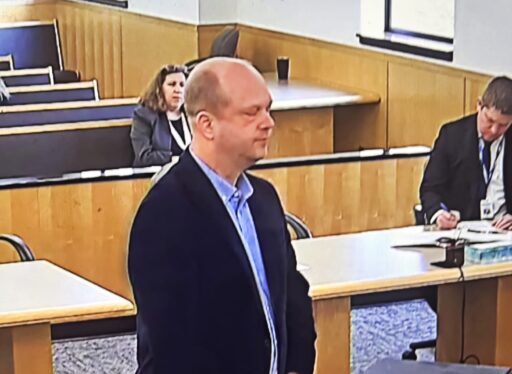
Gina Henry: The TCPA Plaintiff Whose Lawsuit Backfired; Chase Permitted to Pursue Debt Counterclaim
Gina Marie Henry, a 65-year-old resident of Hayward, California, became the centre of a landmark TCPA defense precedent in 2025 when her lawsuit against JP Morgan Chase Bank took an unexpected turn against her. Unlike high-volume TCPA filers such as Brandon Callier, Mark Dobronski, Eric Salaiz, or Yazmin Gonzalez, Gina Henry does not appear to be a serial litigant or professional plaintiff. She appears instead to be an ordinary consumer who sued over alleged prerecorded debt-collection calls and then faced a forceful counterattack from a major financial institution.
Henry filed suit alleging that JP Morgan Chase violated the TCPA by placing repeated prerecorded or artificial voice calls in connection with an alleged credit card debt. Rather than limiting its response to defending the TCPA allegations, Chase countersued Henry for the underlying debt. In January 2025, the court allowed Chase’s debt counterclaim to proceed, creating a significant precedent that has since materially changed the strategic landscape of TCPA debt-collection litigation nationwide.
Legal commentators and defense attorneys now frequently cite Henry v. JP Morgan Chase as one of the most important TCPA counterclaim decisions in recent years, establishing that debt collectors and banks may pursue the underlying debt within the same lawsuit initiated by the consumer.
Who Is Gina Henry?
Gina Marie Henry is a resident of Hayward, California. Public records identify her as approximately 65 years old, born in November 1960, and residing at 820 Hancock Street, Apartment 524, Hayward, California 94544. Unlike many serial TCPA litigators, Henry does not appear to own real estate or registered vehicles. Employment records are also extremely limited in public databases, suggesting she may be retired, living on a fixed income, or otherwise financially constrained. The profile that emerges is not that of a sophisticated litigation entrepreneur, but of an elderly consumer who experienced debt-collection calls and filed a single TCPA lawsuit that unexpectedly became nationally significant.
How Gina Henry Differs from Serial TCPA Filers
The most important distinction in Henry’s case is that she does not fit the profile of a professional TCPA plaintiff. She is not associated with dozens of lawsuits, multi-state filing campaigns, or a systematic litigation model designed to generate settlements. Unlike plaintiffs such as Brandon Callier or Yazmin Gonzalez, there is no evidence that Henry operated a high-volume filing strategy, possessed legal training or law firm connections, or maintained the extensive asset portfolios frequently associated with repeat TCPA litigants. Public records instead suggest a far more ordinary profile: a senior citizen living in an apartment with limited resources who sued over unwanted debt-collection calls.
Family Background
Public records identify several possible relatives connected to Gina Henry across Northern California and Virginia, suggesting a multi-generational family network. Listed relatives include Donna Thomas of San Andreas, California; Mary Thomas of Oakland, California; Molly Henry of Hayward; Catherine Henry of Fremont; Debra Miles of Oakley; Duane Henry of Pittsburg, California; and relatives associated with Chesapeake, Virginia. This family profile further reinforces the image of Henry as an ordinary consumer rather than a professional litigant operating a commercial filing enterprise.
The Lawsuit Against JP Morgan Chase
The dispute began when Gina Henry filed a TCPA lawsuit in the U.S. District Court for the Northern District of California against JP Morgan Chase Bank. Henry alleged that Chase repeatedly called her regarding a credit card debt using prerecorded or artificial voice technology, in violation of TCPA restrictions governing automated calls and prerecorded voice communications. Rather than limiting its response to defending the TCPA allegations, Chase filed a counterclaim seeking repayment of the underlying credit card balance. This strategic move dramatically altered the character of the litigation.
The Landmark January 2025 Counterclaim Ruling
In January 2025, Judge Vince Chhabria issued a ruling that became a turning point in TCPA debt-collection litigation. Henry attempted to dismiss Chase’s counterclaims by arguing that the debt dispute and the TCPA allegations were separate legal controversies, and that permitting debt counterclaims within TCPA cases would discourage consumers from enforcing their rights under federal consumer-protection law.
The court rejected both arguments. Judge Chhabria ruled that the debt and the collection calls were directly connected because the calls existed specifically to collect the alleged debt, and that resolving both disputes together promoted judicial efficiency. The court also rejected the chilling-effect argument, noting that Chase could pursue collection in a separate proceeding regardless, meaning the debt exposure existed independently of Henry’s decision to file suit.
Why the Ruling Was So Significant
Before Henry v. JP Morgan Chase, many consumers viewed TCPA debt-collection lawsuits as relatively low-risk litigation. Plaintiffs could pursue statutory damages for unwanted collection calls without necessarily facing litigation over the underlying debt in the same proceeding. The Henry ruling fundamentally changed that calculation. After the decision, banks and debt collectors gained a clear roadmap for converting TCPA lawsuits into collection opportunities within the same case. Even if a consumer successfully establishes TCPA violations and recovers statutory damages, a debt judgment in the same case could substantially exceed the amount recovered under the statute.
The Financial Reality for Plaintiffs
The TCPA generally allows statutory damages of $500 to $1,500 per unlawful call. Credit card balances, however, often involve thousands of dollars. A successful TCPA plaintiff may ultimately owe more money to the defendant than they recover through the lawsuit. Legal analysts noted that Henry’s case illustrated the danger of debt-collection TCPA suits for ordinary consumers with outstanding balances. The practical result has been that many plaintiff-side attorneys now avoid debt-collection TCPA cases entirely, focusing instead on marketing robocalls and lead-generation calls where no underlying debt exists.
Current Status of the Litigation
As of 2026, the litigation remains active. Key disputes include the question of consent, Chase argues that Henry may have consented to automated calls through her credit card agreement, along with the validity and amount of the alleged debt, and Henry’s allegations involving prerecorded or artificial voice technology. The prerecorded voice claims remain significant because they are often easier for plaintiffs to pursue than traditional ATDS claims following the Supreme Court’s decision in Facebook v. Duguid.
How the Henry Case Changed TCPA Litigation
Defense attorneys now routinely cite the case when arguing that debt counterclaims should proceed within TCPA actions. Before Henry, consumers viewed TCPA debt-collection claims as straightforward statutory cases. After Henry, plaintiffs must carefully evaluate whether filing suit could expose them to collection litigation creating greater financial liability than existed before the lawsuit began. The decision also reinforced a broader judicial preference for resolving interconnected disputes in a single proceeding rather than splitting them across separate cases.
Public Reputation and Legal Perception
Unlike many individuals profiled in TCPA litigation commentary, Gina Henry is not characterized as a serial litigator or professional plaintiff. There is no evidence of high-volume litigation practices, multiple filed cases, or a business model built around TCPA claims. Public records portray her as an elderly consumer who became involved in a legal dispute with a major bank over debt-collection calls. Her case is viewed less as an example of abusive serial litigation and more as a cautionary account of the unintended financial risks ordinary consumers may face when suing debt collectors under federal consumer-protection law.
Frequently Asked Questions
Is Gina Henry a serial litigator?
No. Public records indicate that Gina Henry filed one major TCPA lawsuit and does not fit the profile of a professional or high-volume plaintiff.
What happened in Henry v. JP Morgan Chase?
Henry sued Chase alleging prerecorded debt-collection calls violated the TCPA. Chase filed a counterclaim for the underlying credit card debt, and the court allowed the counterclaim to proceed.
Why is the ruling important?
The ruling established that debt collectors and banks may pursue the underlying debt within the same TCPA lawsuit initiated by the consumer.
What financial risk does the case create for plaintiffs?
A consumer may recover TCPA statutory damages but still face a much larger debt judgment in the same proceeding.
What do public records show about Gina Henry?
She is a 65-year-old Hayward, California resident with no identified real estate holdings, no registered vehicles, and limited employment records.
What is the current status of the case?
The litigation remains active, with disputes involving consent, prerecorded voice evidence, and the amount and validity of the debt.
Final Thoughts
Gina Marie Henry did not set out to become a landmark figure in TCPA litigation. She appears to be an ordinary consumer who sued over unwanted debt-collection calls and unexpectedly generated one of the most important defense precedents of recent years. Her lawsuit established that banks and debt collectors may pursue the underlying debt within the same TCPA proceedings brought by the consumer, a precedent that has already reshaped how attorneys evaluate debt-collection TCPA cases nationwide. For consumers considering TCPA claims involving debt collection, Henry v. JP Morgan Chase now stands as a clear warning that the financial risks may extend well beyond the statutory damages available under the TCPA.
Sources & References
Primary Sources
Henry v. JP Morgan Chase Bank, Northern District of California (January 2025 ruling by Judge Vince Chhabria)
Disclaimer
This article presents information derived from publicly available court filings, judicial rulings, media reporting, legal commentary, and public records. Unlike other profiles involving documented serial litigators, Gina Henry is not characterised as a professional plaintiff or serial filer. The information presented is intended solely for informational and educational purposes and does not constitute legal advice. Public records information may not always be complete, accurate, or current.